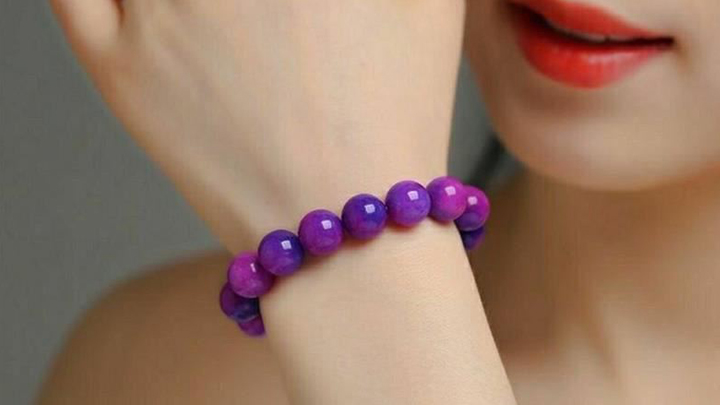





How to Identify a Genuine Natural Stone Bracelet
The allure of natural stone bracelets is timeless. Prized for their beauty, unique energy, and connection to the earth, they are a popular accessory in the world of fashion and spirituality. However, the market is flooded with imitations—from dyed glass and plastic to reconstituted stone powder. How can you tell if you're buying the real thing?
This guide will walk you through the key methods to distinguish a genuine natural stone bracelet from a fake.
1. Observe the Color and Pattern
Nature is rarely perfect or uniform. This is your first and most important clue.
- Look for Imperfections: Genuine stones almost always have minor inclusions, color variations, tiny cracks, or cloudy areas within the crystal structure. If a bracelet has every bead looking exactly the same, with a perfectly consistent color and pattern, it is likely man-made.
- Assess the Color Vibrancy: Be wary of stones with unnaturally bright, loud, or "plastic-looking" colors. For example, very cheap, intensely bright turquoise is often dyed howlite, and vibrant, uniform "amethyst" can be colored glass. Natural stones typically have a more subdued, earthy, or complex color palette.
- Check for Dye Concentration: Look closely at the cracks and crevices of the beads. If you see that the color is concentrated in the cracks (like veins of dark color), the stone has almost certainly been dyed. Dye tends to pool in areas with more porosity.
2. The Temperature and Weight Test
Natural stones have distinct physical properties.
- The Touch Test: Hold the bracelet in your hand. Genuine stone is typically cool to the touch. It will take a moment to warm up from your body heat. Glass will also feel cool, but plastic and resin imitations will feel room temperature or slightly warm immediately.
- Feel the Weight: Natural stones are generally heavier than their plastic or resin counterparts. Compare the weight of the bracelet in your hand to what you would expect. Glass can be a similar weight to many stones, so this test should be used in conjunction with others.
3. Examine the Surface and Hardness
- Look for Air Bubbles: Hold the bracelet up to a light source and look through the beads (if they are translucent). If you see any tiny air bubbles inside, it is a clear sign of manufactured glass. Natural stones form under immense pressure and time, which does not allow for bubbles.
- The Scratch Test (Use with Caution): This is a more direct test. Genuine stones are hard. You can try gently scratching the surface of an inconspicuous bead with a metal pin or key. A real stone will not scratch easily, while plastic or resin will show a mark. Be careful, as some softer genuine stones (like selenite or calcite) can also be scratched.
4. The Bead-by-Bead Analysis
No two stones from the earth are identical.
- Consistency is a Red Flag: In a genuine natural stone bracelet, each bead will be slightly different from the next. The patterns, shades, and inclusions will vary. Mass-produced fakes have a monotonous, repetitive look because they come from the same mold or batch of colored material.
5. Seek Reputable Sellers
Your best defense is buying from a trusted source.
- Ask Questions: A reputable seller will know the origin of their stones and will be transparent about any treatments (like heat treatment or waxing, which are common and often accepted).
- Price Point: If the price seems too good to be true for a rare stone like lapis lazuli or ruby, it probably is. High-quality natural stones have a cost that reflects their rarity and the workmanship involved.
Common Fakes to Watch For:
- "Howlite" disguised as Turquoise: Dyed howlite is the most common turquoise imitation. Real turquoise has a more complex matrix and color variation.
- Glass sold as "Obsidian" or "Amethyst": Black obsidian glass is common, but real obsidian can have subtle streaks or a slight translucence at the edges. Glass amethyst often has bubbles and is too perfectly colored.
- Reconstituted Stone: This is made from stone dust and resin pressed together. It can feel surprisingly heavy but often has a uniform, "grainy" look without the crystalline structure of the real thing.
In Conclusion
Identifying a natural stone bracelet requires a keen eye and a bit of practice. Trust your senses: look for nature's imperfections, feel the cool weight, and examine the unique story in each bead. By following these steps, you can confidently choose a bracelet that is not only beautiful but also a genuine gift from the Earth.